Search term must have more than 2 characters.

Healthy diet
Feeling physically exhausted and mentally irritable? You may be lacking essential vitamins.
Fatigue, irritability, muscle cramps or difficulty concentrating may be related to a deficiency of important vitamins and minerals. Find out how to recognize possible symptoms of vitamin D, B12, B1, K2, iron and magnesium deficiency, which foods to include in your diet and why it is advisable to check nutrient levels through blood tests.
Even though you may feel “just a little tired”, your body could be signalling something important: a biochemical deficiency. A lack of key vitamins and minerals does not always cause dramatic symptoms. Sometimes there are only small warning signs that we often overlook. How can you recognize them and what can you do about them?
Vitamin D: the sunshine vitamin that can be missing even in summer
How can you tell you may be deficient: Fatigue, muscle pain, weakened immunity, low mood and more frequent fractures.
What can help:
- Sunlight: Spend 15–30 minutes outdoors every day without sunscreen (but never get sunburned).
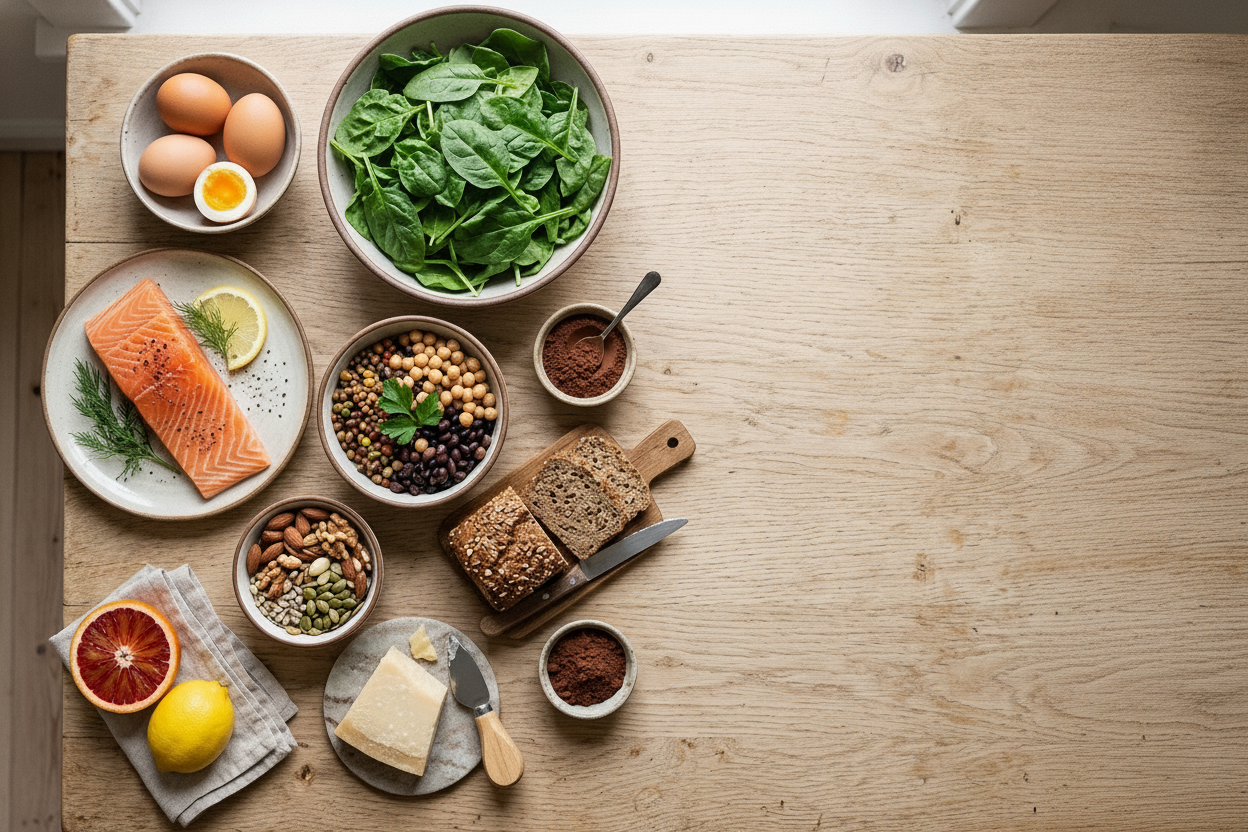
- Diet: Include salmon, mackerel, eggs or mushrooms.
- Supplements: A standard dose is 1000–2000 IU per day, and up to 4000 IU for people with a higher body weight. Always combine vitamin D3 with vitamin K2.

Vitamin B12: a boost for the nerves and mind
Typical symptoms: Tingling in the limbs, forgetfulness, mood changes, paleness and chronic fatigue.
Solution:
- Diet: Choose beef, organ meats, eggs and dairy products.
- Supplementation: Methylcobalamin or hydroxocobalamin are the best choices.
Caution: Pay special attention to B12 deficiency if you are vegan, an older adult or take medication for excess stomach acid.
Iron: energy hidden in the blood
How deficiency can manifest: Fatigue, shortness of breath during physical activity, pale skin, brittle nails or excessive hair loss.
What to do:
- Focus on your diet: Red meat, liver, legumes, spinach and buckwheat.
- Supplementation: Choose iron in the form of bisglycinate and combine it with vitamin C for better absorption.
- Important: Coffee, tea or calcium can block iron absorption. If you suspect a deficiency, it is advisable to look for the underlying cause (e.g. chronic inflammation or blood loss).
Vitamin B1 (thiamine): fuel for the nerves
Symptoms: Fatigue, irritability, muscle weakness, neuropathy, swelling
- Supplements: Benfotiamine is a more easily absorbed form
- Diet: Whole grains, legumes, pork and nuts
At risk: People with alcohol dependence, diabetes and chronic stress
Vitamin K2: the key to healthy bones and blood vessels
Symptoms of deficiency: Bone loss, calcium deposits in blood vessels, a tendency to bruise.
- Diet - Fermented soy products (e.g. natto), hard cheeses, egg yolks
- Supplementation: Ideally combine K2 with vitamin D3.
Magnesium: the mineral of calm and quality sleep
Symptoms: Muscle cramps, heart palpitations, insomnia, irritability.
What can help:
- Supplements: Magnesium citrate, bisglycinate or malate. Avoid the oxide form.
- Diet: Leafy greens, nuts, seeds, cocoa, whole-grain products.

What do I recommend?
Before starting supplementation, it is advisable to have your vitamin and mineral levels checked through blood tests. This can help you avoid unnecessary supplementation as well as the risk of excessive intake. Keep in mind that some vitamins are absorbed better under certain conditions; for example, vitamins A, D and K are best taken with fat, while vitamin C supports iron absorption. Food supplements should only complement a varied and balanced diet, not replace a nutritious diet. If you take supplements long-term, it is recommended to regularly monitor their levels in your blood to prevent excessive intake. If you are unsure, it is always best to consult a doctor or nutrition specialist.
Author of the article: Ing. Eva Kocurková