Search term must have more than 2 characters.

Healthy diet
How to Start a Gluten-Free Diet Without Feeling Overwhelmed
In general, gluten-free foods can be divided into two categories: those that are naturally gluten-free and those from which gluten has been removed during the manufacturing process. Most people automatically assume that naturally gluten-free foods cannot contain gluten. However, this is not always the case.
Starting a gluten-free diet may seem complicated and stressful at first. The good news is that once you understand the basic principles, changing your eating habits becomes much easier. Whether you have been diagnosed with coeliac disease or are avoiding gluten for other reasons, a few simple steps can make the transition much smoother.
The first few days are usually the hardest. Many people feel as if they suddenly can't eat anything. In reality, it's enough to start with simple meals and gradually create a routine that works for you.
What is gluten?
Gluten is a protein made up of gliadin and glutenin. It naturally occurs in grains such as wheat, rye, and barley. Gluten gives dough its elasticity, structure, and fluffy texture. Problems arise in people whose bodies cannot tolerate gluten or mistakenly identify it as harmful.
Symptoms of gluten intolerance
Gluten sensitivity and the autoimmune condition known as coeliac disease can affect people differently. Common symptoms include:
- abdominal pain
- diarrhoea or constipation
- nausea, fatigue, or headaches
- skin problems (itching or redness)
- weight loss
If you experience any of these symptoms, consult your doctor for appropriate testing.
Hidden gluten in food
When switching to a gluten-free diet, it's important to pay close attention to ingredient lists. Gluten is often found in foods where you wouldn't expect it. Besides bread, flour, and pasta, it may also be present in:
- sauces and seasonings
- ketchup and mustard
- processed meats
- instant meals
- some sweets
- breaded or fried meat
- processed cheese
- dietary supplements and medicines
Food labelling
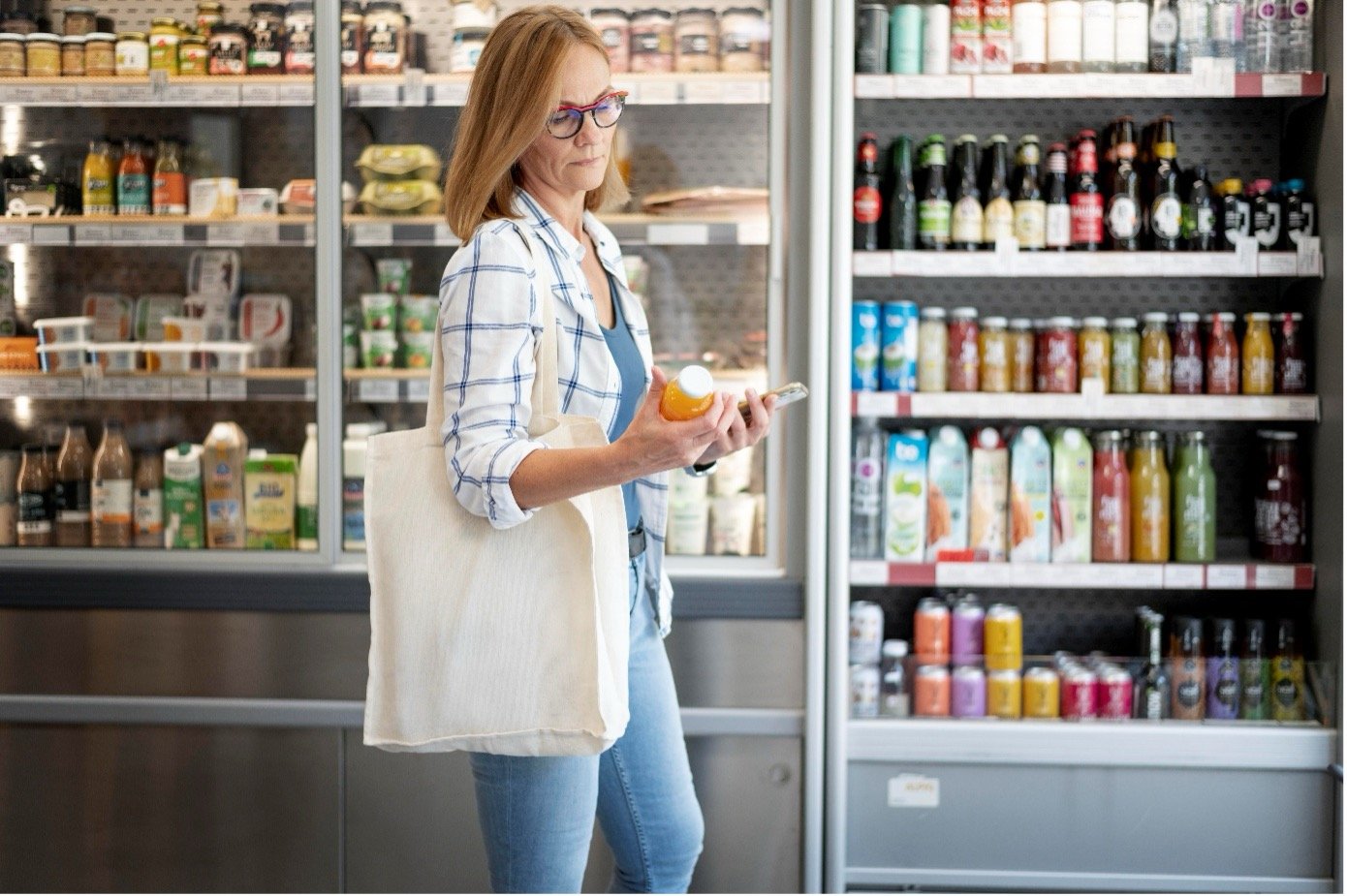
Food labels can make shopping much easier. Commission Implementing Regulation (EU) No. 828/2014 defines how foods with reduced or no gluten must be labelled to ensure consumers receive clear and reliable information.
- Gluten-free: products containing no more than 20 mg/kg of gluten.
- Very low gluten: products containing no more than 100 mg/kg of gluten.
These labels may also include statements such as "suitable for people with gluten intolerance" or "suitable for people with coeliac disease." The regulation also highlights specific requirements for oat-containing products because of the risk of gluten contamination.
How not to stress about it
If you're just starting a gluten-free diet, keep these simple tips in mind:
- Don't panic. Many people have successfully made this transition before you.
- Plan your meals several days ahead to reduce stress.
- Read ingredient lists carefully when shopping.
- At first, avoid very fatty meals to give your digestive system time to adjust.
- Over time, you'll learn to understand your body's needs and may discover that living gluten-free is much easier than you expected.
Cooking and baking without gluten
If you're looking for a reliable guide during your gluten-free journey, our cookbook Gluten-Free Cooking and Baking with Nominal is a great companion. It offers clear and easy-to-follow recipes using Nominal's gluten-free baking mixes. You'll soon discover that gluten-free cooking and baking can be simple, enjoyable, and completely stress-free.
Source: spzi.gov, nzip
https://www.szpi.gov.cz/clanek/oznacovani-potravin-z-hlediska-obsahu-lepku.aspx
https://www.nzip.cz/clanek/520-dieta-pri-celiakii-bezlepkova-dieta