Search term must have more than 2 characters.

Healthy diet
How to Build a Nutritionally Balanced Gluten-Free Diet
Learn how to create a nutritionally balanced gluten-free diet and prepare tasty snacks for school, work, or travelling. Discover practical tips for choosing the right sources of carbohydrates, proteins, healthy fats, and get inspiration for sweet and savoury gluten-free snacks, including a recipe for homemade gluten-free bread rolls.
Are you wondering what snacks to pack for school, work, or a day trip? It doesn't have to be complicated. Healthy, delicious, and gluten-free snacks can be simple to prepare and easy to take with you wherever you go. Here are some practical ideas to help you stay energised throughout a busy workday, while studying, or during a full day of travelling.
The basics of a balanced snack
A snack is a small meal eaten between main meals to provide a quick source of energy. Ideally, a balanced snack should include carbohydrates as the main energy source, protein to help you stay full for longer, and, where possible, fibre and healthy fats. Compared with sweets or salty snacks that are high in sugar and salt, nutritionally balanced foods provide more stable energy throughout the day. It's also recommended to vary your snacks and drink enough water every day.
Daily energy starts with a balanced diet
Maintaining a balanced diet is especially important for people following a gluten-free lifestyle.
A gluten-free diet should mainly include:
- Naturally gluten-free carbohydrates (rice, corn, potatoes, quinoa)
- High-quality protein (meat, fish, eggs, and legumes)
- Healthy fats (nuts, seeds, and vegetable oils)
- Plenty of fruit and vegetables
Regular meals and a good balance of nutrients help maintain stable energy levels and reduce fatigue throughout the day.
Recommended nutrient intake
Adequate nutrient intake is essential for overall health and depends on age, physical activity, and growth. Daily fluid intake should generally range between 1.5 and 2.2 liters. Energy requirements also change with age. Children require more energy because of growth and higher physical activity, while energy needs per kilogram of body weight gradually decrease in adulthood. A balanced daily energy intake should consist of approximately 45–55% carbohydrates, 30–40% fats, 10–15% protein. Don't forget fibre either. The recommended daily intake is around 25–30 grams.
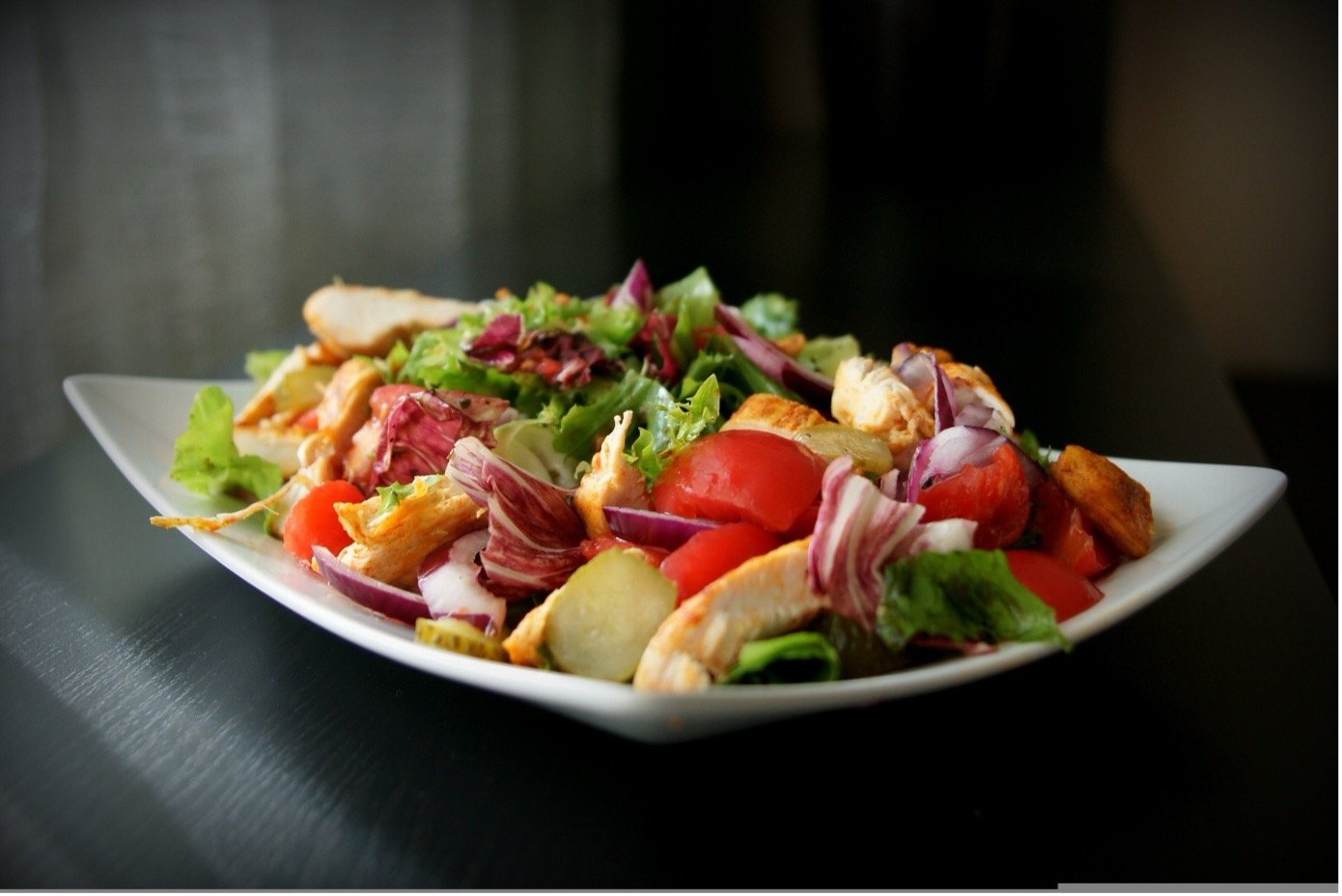
The quality of these nutrients is just as important as their quantity. Carbohydrates should mainly come from complex sources, such as whole grains, fruit, and vegetables. Fats should preferably be unsaturated and can be found, for example, in nuts, vegetable oils, and fish. Proteins should be combined from different sources, such as meat, legumes, and dairy products. The final important component is vitamins and minerals, which support our immune system and overall development. Their recommended intake varies depending on age.
Practical travel snacks
When travelling by plane, train, or car, it is useful to bring your own supply of food. Preparing snacks in advance helps you avoid unnecessary stress and buying unsuitable products. The ideal choices are long-lasting and easy-to-carry foods that do not require complicated preparation: nuts, dried fruit, bars, or savoury snacks. For longer journeys, it is also useful to prepare a small travel food pack with snacks for later in the day or for the return journey.
Sweet and savoury gluten-free options
Gluten-free snacks can be very diverse and include both sweet and savoury options.
Suitable choices include:
- Fruit and vegetables
- Yoghurt
- Nuts
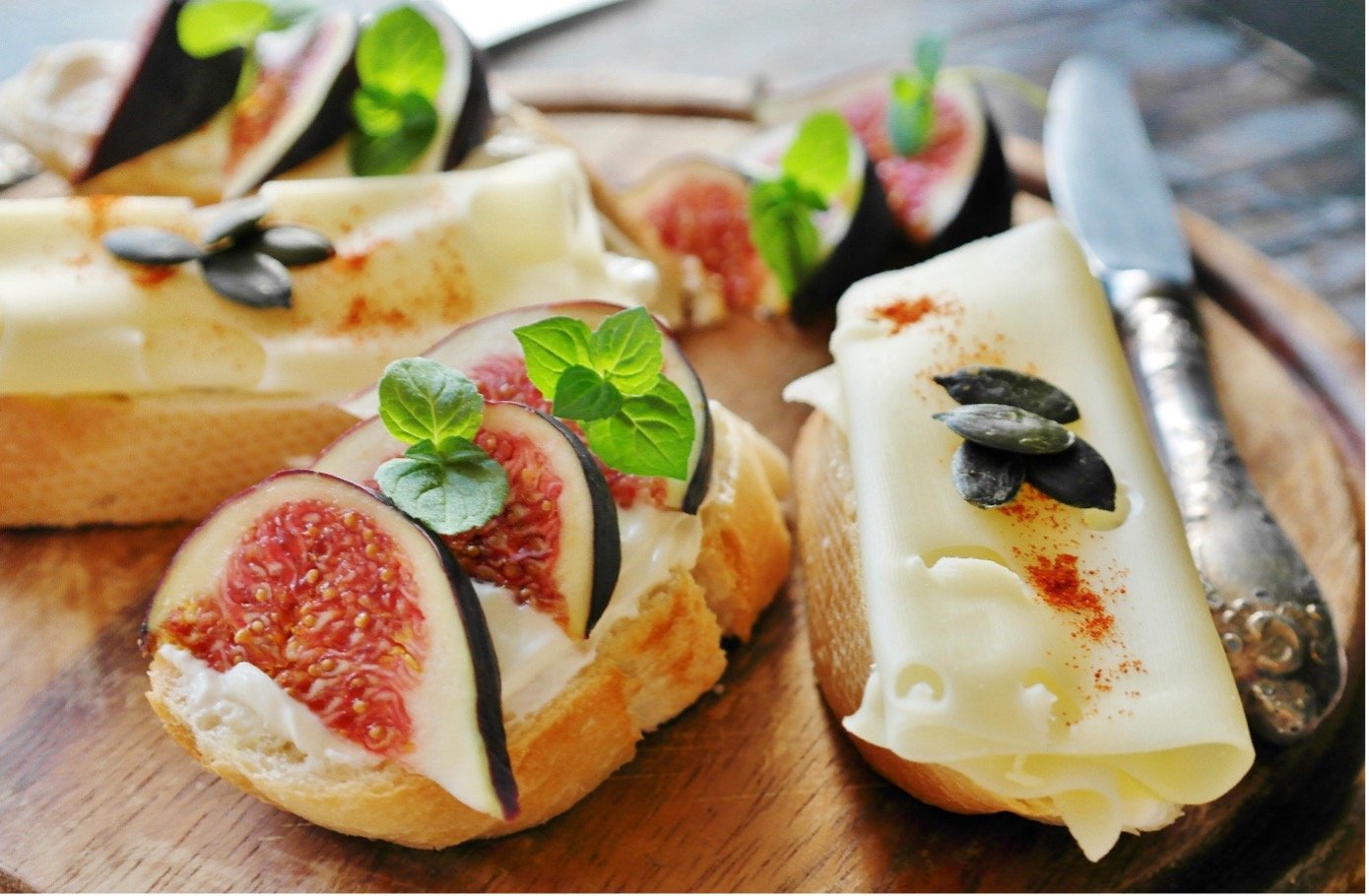
- Sandwiches made with gluten-free bread
- Gluten-free bars
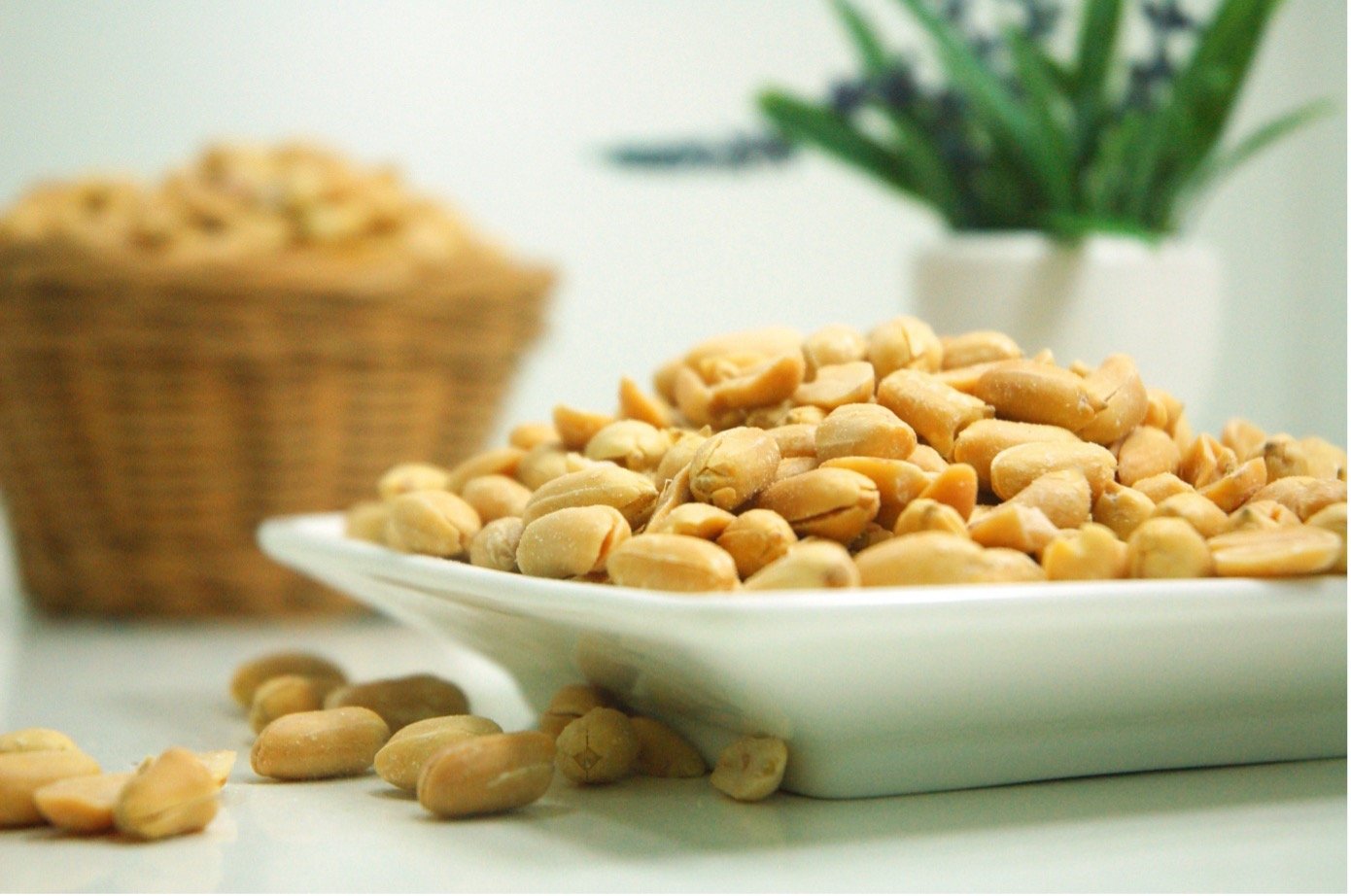
Sweet options include homemade gluten-free muffins, gluten-free banana bread, or gluten-free cookies for those who enjoy a little treat. If you are looking for a more nutritious snack, you can prepare homemade gluten-free bread rolls, which are a tasty and light option, as they work perfectly as a base for a quick snack. Combined with cheese, ham, or homemade spread, they make a practical and delicious snack suitable for both adults and children, whether for travelling or school.
Recipe for the best gluten-free bread rolls
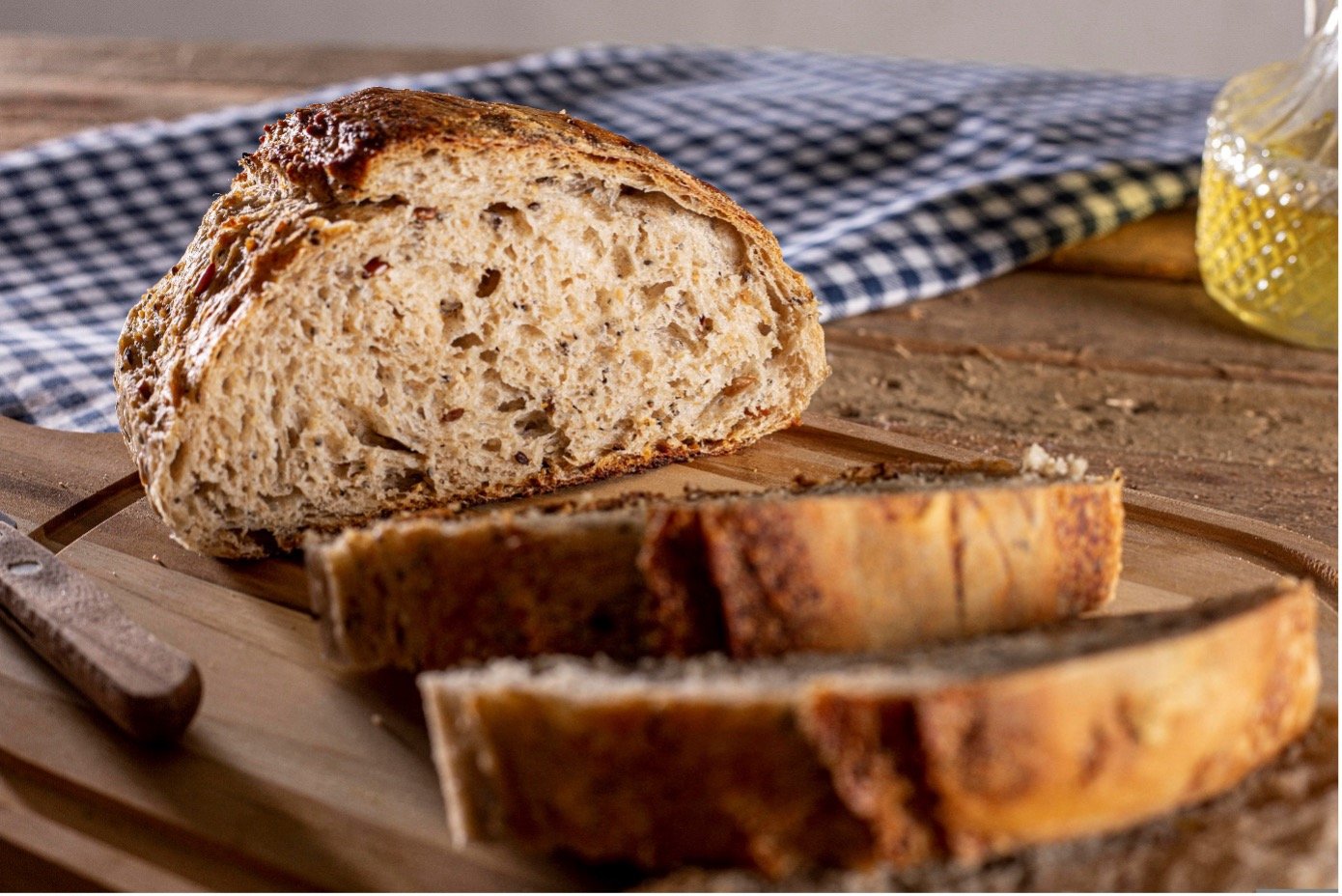
With our gluten-free chia seed bread mix, you can easily prepare homemade, fragrant gluten-free bread rolls in just one afternoon. They are not only delicious but also nutritious and wholesome. They taste great on their own as well as with a homemade spread.
You will need:
- 500 g of bread mix
- 500 ml (g) of water
- 20 ml of oil
- 15 g of fresh yeast
- Egg for brushing
If you have a bread maker, pour lukewarm water into the baking container. Add the oil, crumble in the yeast, and add the bread mix. Select the dough programme. If needed, you can adjust the amount of yeast or the water temperature. If the dough rises too much, reduce the amount of yeast; if it does not rise enough, add slightly more.
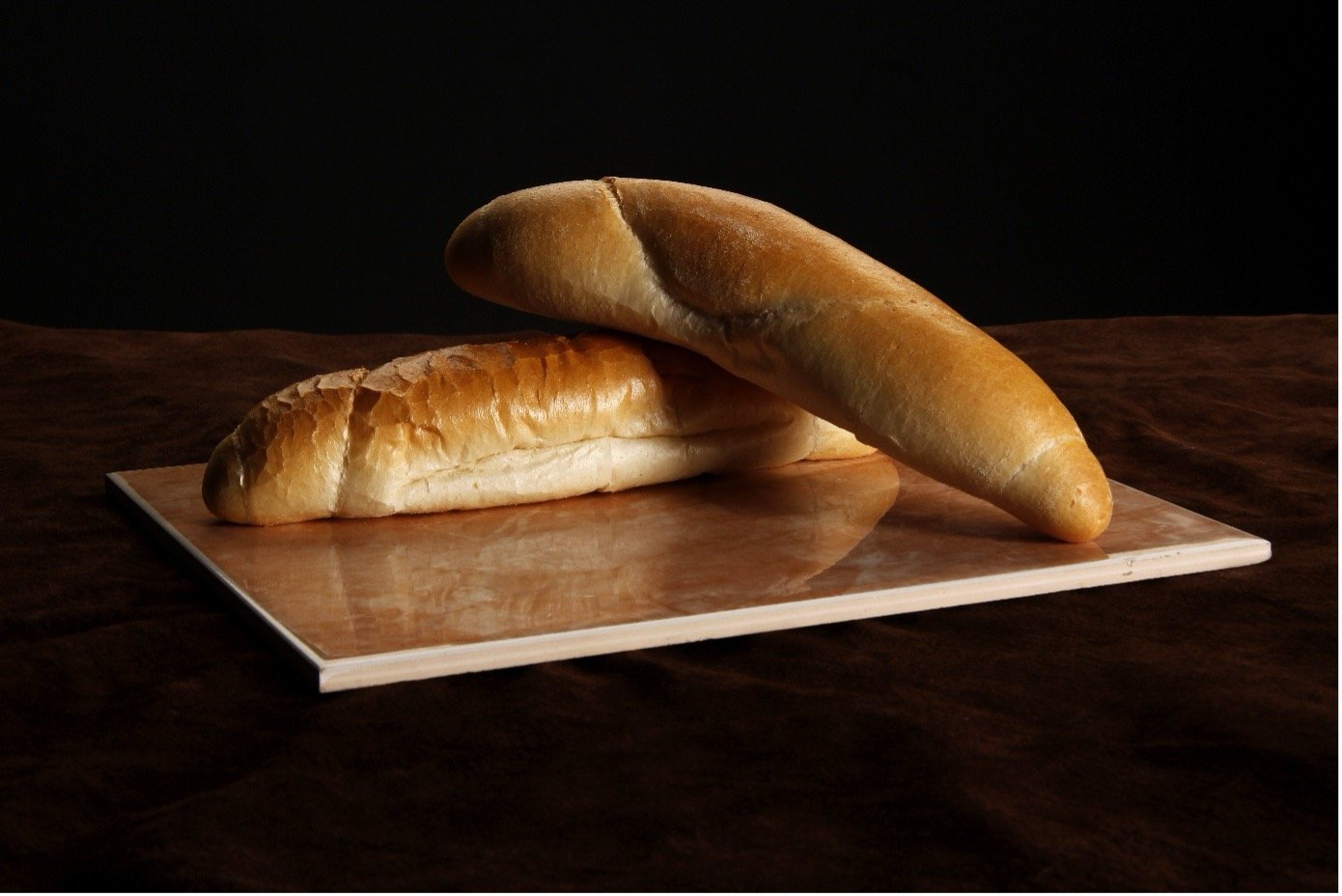
In a conventional oven, mix all the ingredients together, knead the dough thoroughly until smooth, and leave it to rise properly. Roll out the dough into a thicker flat sheet and divide it into 10 to 12 pieces. Roll each piece from the widest part towards the narrowest part to create a bread roll shape. Press the ends together so they do not separate. Brush with beaten egg and bake at 180 °C for 20 to 25 minutes.
Source: recipe by the article author, Yorku.ca, Health.clevelandclinic.org, Wikiskripta.eu/ Creative Commons 4.0
https://www.wikiskripta.eu/w/Doporu%C4%8Den%C3%BD_p%C5%99%C3%ADjem_%C5%BEivin
https://www.yorku.ca/foodservices/nutrition-tip/what-makes-a-balanced-snack/
https://health.clevelandclinic.org/the-best-travel-snacks-for-eating-on-the-road