Search term must have more than 2 characters.

Healthy diet
Why gluten-free is not always simply “gluten-free”
Find out why the “gluten-free” label does not necessarily mean that a product contains absolutely no gluten. The article explains how gluten is detected in foods, why contamination can occur during production, storage or handling, and what limits apply to gluten-free labelling in the EU.
In recent years, more and more people have been turning to a gluten-free diet. As a result, supermarket shelves offer a wide range of gluten-free foods, which are often several crowns to tens of crowns more expensive than regular alternatives. At first glance, it may seem that the label “gluten-free” automatically means absolute certainty. In reality, however, these claims are subject to strict legal limits and laboratory testing.
How foods are tested for gluten
Testing foods for gluten is a relatively complex process that has developed over many years and is now also used in medicine. The most common method is the so-called ELISA, which works on the principle of antibodies. An antibody is attached to a special plate and captures gluten proteins (most commonly gliadin) from the sample.
A second antibody with a bound enzyme is then added, which binds to the gluten. After a chemical substance is added, a colour reaction occurs. The more gluten the food contains, the more intense the colour. This is then measured to determine the exact amount of gluten. In addition to laboratory testing, there are also simple rapid tests that people can perform at home. However, these are mainly intended for indicative checks and do not replace accurate laboratory analyses.

Why contamination can occur
Gluten-free foods are often produced on the same production lines as products containing wheat and other sources of gluten. Despite thorough cleaning, small amounts of flour or dust can remain on the equipment and lead to contamination. Typical examples include biscuits, cereals and baked goods.
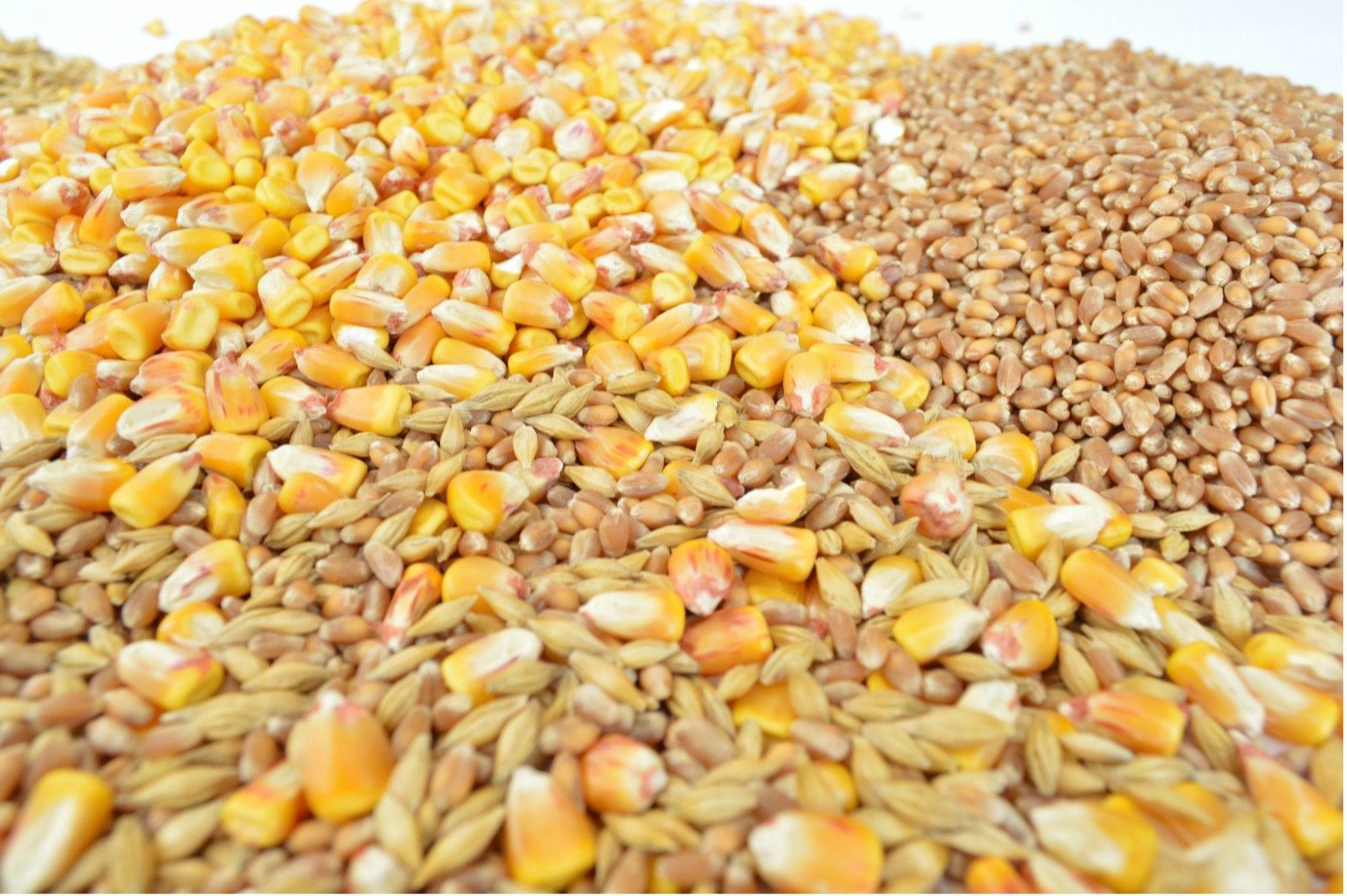
However, contamination does not only occur during production. A risk can also arise during storage or even during cultivation, when gluten-free crops may come into contact with crops that contain gluten. Food handling also plays a role, for example when the same dishes, kitchen utensils or work surfaces are used.
What are the limits for the “gluten-free” label?
The labelling of foods as “gluten-free” is regulated by Regulation (EU) No 828/2014, which establishes uniform rules for providing information to consumers. The aim is to ensure that people with gluten intolerance can safely choose foods and are not misled. The claim “gluten-free” may only be used if the food contains no more than 20 mg/kg of gluten.
The label “very low gluten content” is permitted up to a limit of 100 mg/kg, but it applies only to a uniform and clear labelling system throughout the EU. The regulation also includes the obligation to clearly state allergens in the ingredients list. Gluten contamination can occur during production, storage or processing, which is why preventive labelling and laboratory testing are important.
A wide range of gluten-free foods
Our porridges, mixes and other products are completely gluten-free, so you do not have to worry. Our range includes both classic breakfast porridges and mixes for coating meat and other dishes. You will love not only Nomina cereal porridges from the very first spoonful, but also our other products, which we make with an emphasis on ingredient quality and the needs of people who cannot consume gluten or choose to eliminate it from their diet. Thanks to careful ingredient selection and production controls, you can be confident that our individual products meet the requirements for gluten-free diets while maintaining their natural taste and simple preparation.
Source: SPZI, Celiak.cz
https://www.szpi.gov.cz/clanek/oznacovani-potravin-z-hlediska-obsahu-lepku.aspx
https://celiak.cz/2025/01/10/bezlepkarky-epizoda-42-jak-se-testuje-lepek-v-potravinach/